Delivery Partners Are the Backbone of Tier-2 India’s Local Commerce
Every online food order, local parcel or urgent business delivery depends on someone completing the final journey. Technology can assign the order, calculate the route and process the payment, but a delivery partner must still collect the item, navigate local roads and hand it to the customer.
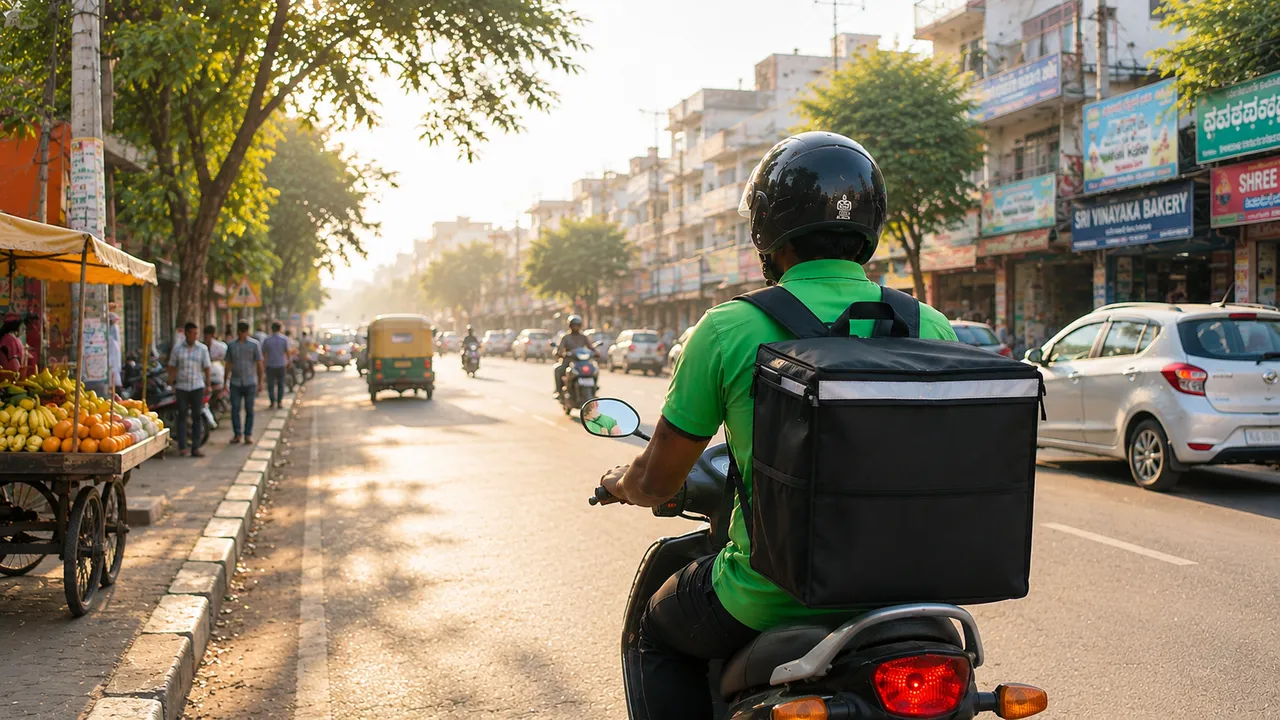
Delivery Partners Are the Backbone of Tier-2 India’s Local Commerce
Every online food order, local parcel or urgent business delivery depends on someone completing the final journey. Technology can assign the order, calculate the route and process the payment, but a delivery partner must still collect the item, navigate local roads and hand it to the customer.
This last-mile workforce is becoming increasingly important in Tier-2 Indian cities, where online ordering and app-based services are expanding beyond major metropolitan markets.
India’s Growing Gig Workforce
NITI Aayog estimated that India had approximately 7.7 million gig workers in 2020-21. It projected that the number could rise to 23.5 million by 2029-30, representing about 6.7% of India’s non-agricultural workforce.
Delivery is one of the most visible forms of platform work. It provides people with an opportunity to earn using a two-wheeler and smartphone, often without going through the lengthy recruitment processes associated with traditional employment.
In Tier-2 cities, this work can be especially relevant for students, part-time workers, people between jobs and individuals seeking an additional source of income.
Why Local Knowledge Matters
Deliveries in a city such as Hubballi are not completed using maps alone. A delivery partner may need to know:
- Which road is blocked during market hours
- Where a shop entrance is located
- Which neighbourhood uses informal landmarks
- Where parking is available
- How traffic changes around schools and commercial areas
- Which route is practical during rain or roadwork
This local knowledge can reduce delays and failed deliveries. It also explains why locally built delivery networks can have an advantage. The platform may provide technology, but the runner contributes practical knowledge of the city.
The Challenges Delivery Partners Face
Delivery partners frequently deal with fuel expenses, vehicle maintenance, traffic risks, waiting time and unpredictable order volumes. Research on India’s delivery economy has also highlighted the hidden work involved in waiting for orders and repeatedly interacting with platform interfaces without earning during that time.
Other concerns reported by gig workers include unclear payment structures, inadequate grievance support, account blocking, limited insurance and insufficient assistance during disputes or emergencies.
These issues matter because a delivery platform cannot provide dependable service unless delivery partners consider the work worthwhile. Low payouts may reduce order acceptance, while unrealistic delivery promises can put workers under unnecessary pressure.
Fair Earnings and Sustainable Pricing
Customers naturally want affordable delivery. Businesses also need delivery charges that do not remove their profit from a sale. At the same time, runners must earn enough to cover fuel, vehicle costs, waiting time and personal income.
A sustainable platform must balance all three sides:
- The customer should receive a reasonable and transparent price.
- The business should be able to use delivery without losing its margin.
- The delivery partner should receive a payout that makes accepting the order worthwhile.
Reducing runner payments may improve short-term platform margins, but it can create order rejections, longer waiting times and lower service quality. Charging customers too much can reduce adoption. The correct model depends on distance, local demand, order frequency and available runner supply.
Why One Local Network Can Be More Productive
A delivery partner who depends on only one category may face long periods without work. Restaurant demand is usually concentrated around lunch and dinner. Parcel demand may be distributed throughout business hours, while bike rides can follow commuting and evening patterns.
A multi-service local network can distribute opportunities across the day. Zumy brings food delivery, parcel movement and local bike rides into one platform for Hubli-Dharwad.
This model can help a local runner access different types of orders rather than relying entirely on one short peak period. The actual availability of work will still depend on customer demand, location and time, but a broader service mix creates more opportunities for matching runners with local requests.
Building a Worker-Aware Delivery Platform
Delivery partners should not be treated as an invisible part of the system. Their experience directly affects customer waiting time, order acceptance and service reliability.
A worker-aware platform should provide:
- Clear information about pickup, drop and expected payout
- Transparent distance calculations
- Practical support when an order goes wrong
- Reasonable delivery expectations
- Fair treatment during cancellations
- Safety-oriented operating policies
- Opportunities to provide feedback
Customers and businesses also contribute to a better delivery system by providing accurate addresses, preparing orders before pickup and treating delivery partners respectfully.
The Human Network Behind Local Convenience
The growth of hyperlocal commerce will depend on more than apps and algorithms. It will depend on whether platforms can build a dependable network of people who understand the city and are willing to complete each order.
In Hubballi, every successful local delivery connects three participants: the person or business sending the item, the runner carrying it and the customer receiving it.
Zumy’s role is to make that connection easier through local technology, structured booking and a runner network built around the everyday movement needs of Hubli-Dharwad.